Skill Level on the Labour Card: The Classification Detail Behind Emiratisation Counts, Visas and Fines
A practical guide to MOHRE's nine occupation skill levels, how they affect Emiratisation counts and work permit requirements, and how to audit classifications before the 2026 deadline.

An employer audit guide for HR teams, PRO teams and founders. Updated October 2026.
The occupation recorded for an employee in MOHRE's system maps to a skill level. That classification matters when an employer checks its Emiratisation count and submits a work permit application. It should reflect the employee's actual duties and supporting qualifications, rather than a title chosen to improve a reported number.
With the 31 December 2026 Emiratisation target approaching, this guide explains the nine levels, the conditions MOHRE lists for skilled roles, and a practical way to check employee records before reporting.
Informational only; not legal advice. MOHRE rules and individual circumstances can change. Check your establishment's current position in MOHRE's systems or with a qualified adviser before changing a classification or relying on an employee in a compliance count. DIFC and ADGM may operate under different employment frameworks.
The nine occupation skill levels
MOHRE's occupational classification groups occupations into nine levels:
- Legislators, senior officials and managers
- Professionals
- Technicians and associate professionals
- Clerical support workers
- Service and sales workers
- Skilled agricultural, forestry and fishery workers
- Craft and related trades workers
- Plant and machine operators and assemblers
- Elementary occupations
The exact occupation code is more useful in an audit than an internal job title. Check that the code on the employee's MOHRE record matches the work the person actually performs.
Which levels count as skilled for Emiratisation?
MOHRE's Emiratisation FAQ defines skilled labour for the relevant target as workers in skill levels 1–5. Some older or third-party summaries narrow this to levels 1–3. Use MOHRE's current guidance and your establishment's recorded count, especially if your result depends on employees in levels 4 or 5.
The level alone does not settle every question about an individual worker. MOHRE's work permit requirements describe education evidence for levels 1–5 and state that workers earning less than AED 4,000 a month, or lacking the relevant qualification, are not considered skilled. Check the current requirements for the permit and employee concerned before including that person in a skilled workforce count.
Qualifications, salary and work permits
For the work permit service cited above, MOHRE lists these academic certificate requirements:
| Skill level | Academic certificate listed by MOHRE |
|---|---|
| 1–2 | Bachelor's degree or higher |
| 3–4 | Diploma or higher |
| 5 | High school certificate |
| 6–9 | No academic certificate requirement listed |
The same service states that workers earning less than AED 4,000 per month are not considered skilled. Professional licences can also be required for regulated occupations. These are permit requirements, so confirm the rules for the specific application rather than treating an internal job title as proof of eligibility.
What about visas and family sponsorship?
An accurate occupation and the right supporting documents matter for a work permit. Family residence sponsorship is a separate question. The UAE Government's family visa guidance says employees can sponsor family members regardless of job title if they earn at least AED 4,000 per month, or AED 3,000 plus accommodation, subject to the other residence requirements. Do not use the labour card's skill level as a substitute for checking those requirements.
For broader context, see our Emiratisation compliance guide, UAE labour card guide and employee visa sponsorship guide.
Why accurate classification matters
Changing a classification to evade an Emiratisation target has a defined consequence. Cabinet Decision No. 43 of 2025 lists fines for reducing workforce numbers or modifying workforce classification to circumvent the target: AED 100,000 for a first offence, AED 300,000 for a second, and AED 500,000 for a third or later offence. MOHRE's English PDF states that it is a third-party translation; consult the Arabic original or a qualified adviser when applying the decision.
The aim of an audit is an accurate record of real work and genuine hiring. A paper change to a code does not fix a staffing gap.
A quarterly classification audit
Run this check before the year-end deadline and repeat it each quarter:
- Compare duties and job descriptions. Confirm each role's written description matches the work actually performed.
- Check the MOHRE occupation code. Compare the recorded code and skill level with the role, rather than relying on an internal title or spreadsheet.
- Check supporting evidence. Review the qualification, any required professional licence, and salary against the current permit requirements.
- Reconcile the Emiratisation count. Compare your working count with the number recorded by MOHRE, paying particular attention to levels 4–5 and any workers near the salary threshold.
- Correct discrepancies through the proper process. If a code is wrong, confirm the required MOHRE procedure and retain the supporting documents.
- Keep an audit trail. Save job descriptions, qualifications, approved changes and MOHRE confirmations with the employee record.
Before 31 December 2026, focus on whether every recorded classification reflects the real role and whether the Emiratisation figure you are using matches MOHRE's count. Accurate records make a compliance decision easier to explain and defend.
Want a clearer view of employee records and reporting? Book a RadixHR demo to see the relevant workflows for your team.
Related Articles
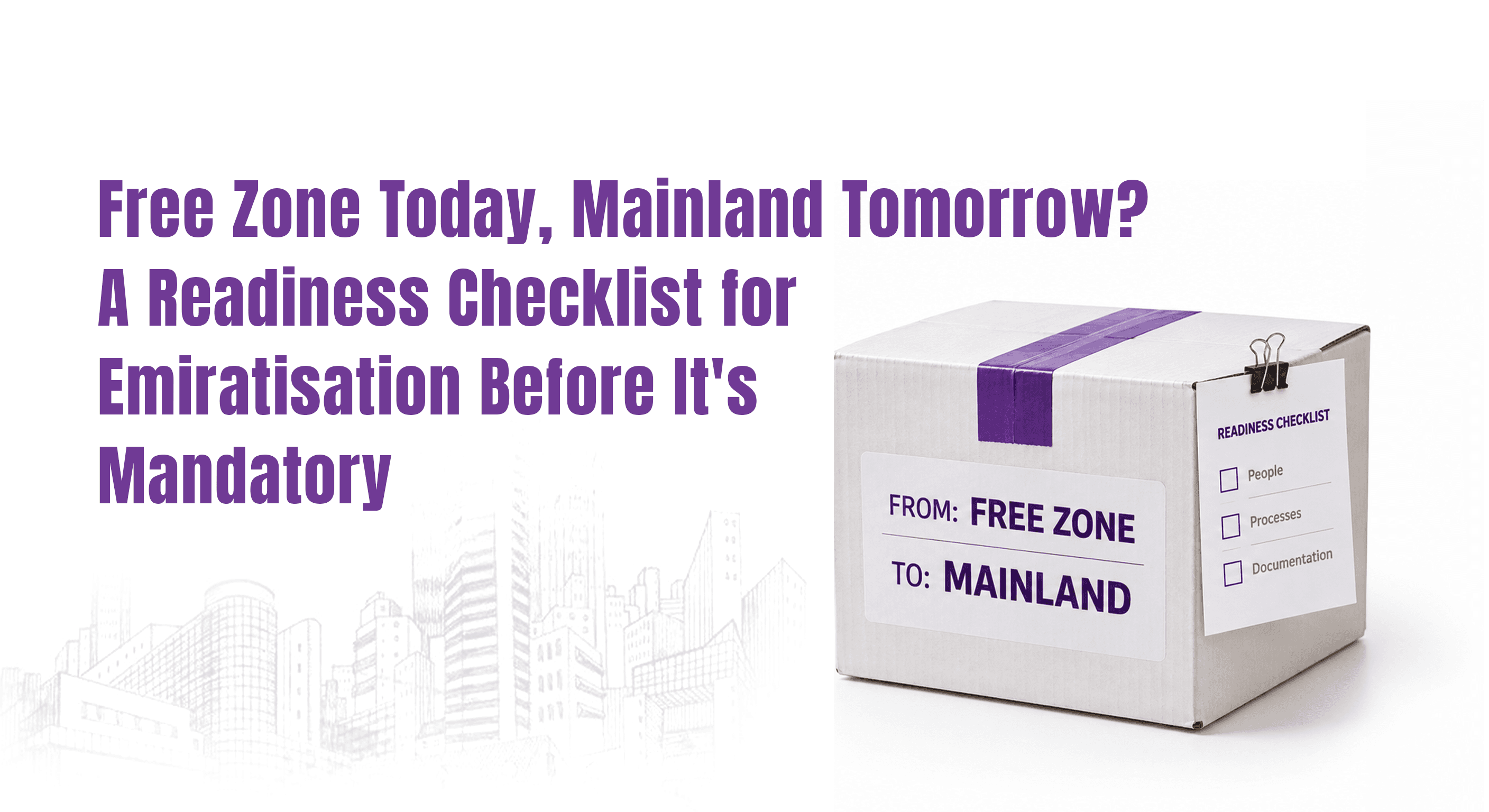
Free Zone Today, Mainland Tomorrow? A Readiness Checklist for Emiratisation Before It's Mandatory
Free zones sit outside the mandatory Emiratisation quota today, but 2026 compliance commentary increasingly frames extension as a matter of when, not if. A no-regret readiness checklist for free zone HR leaders — framed as reported industry expectation, not confirmed policy.
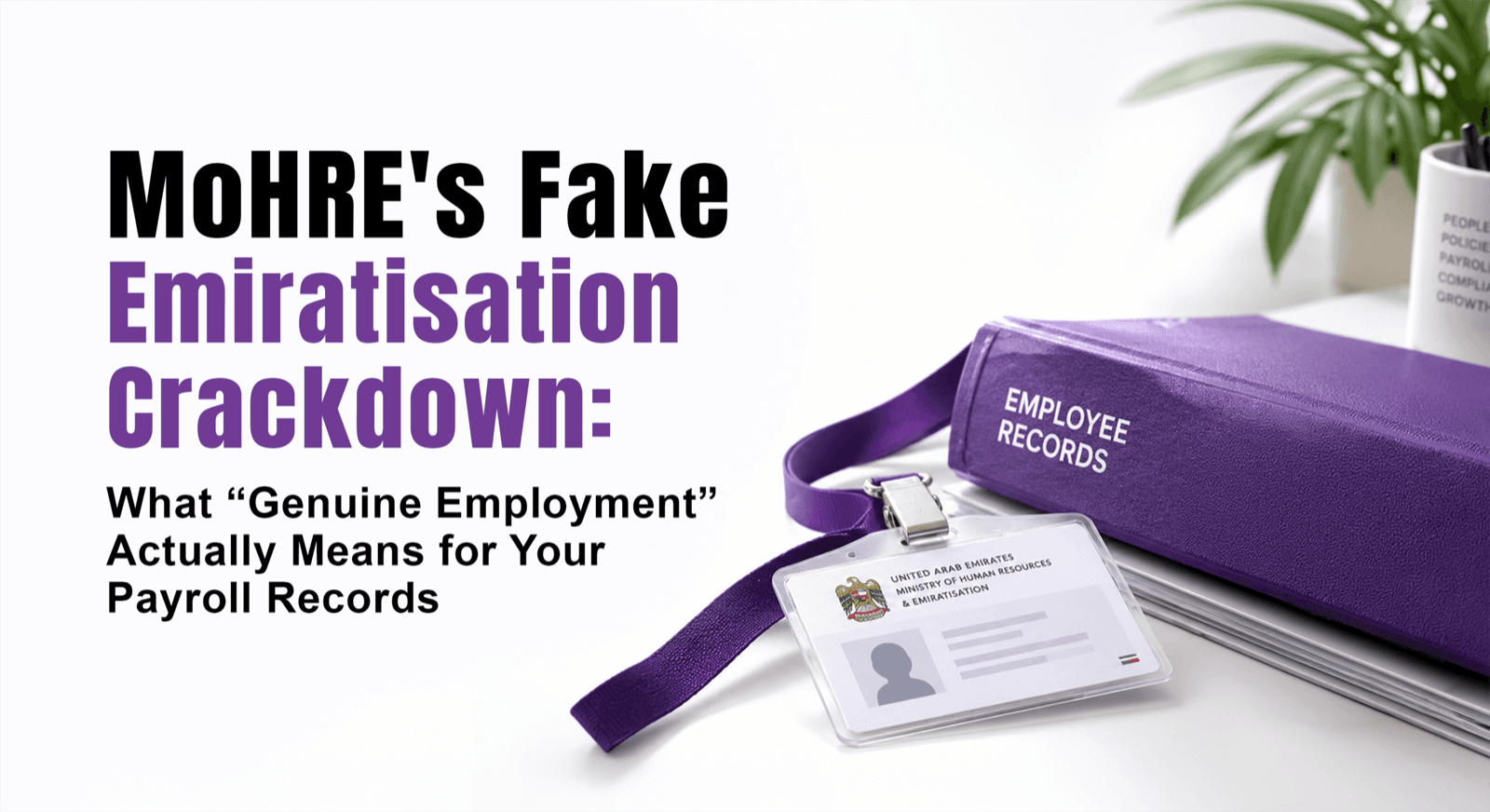
MoHRE's Fake Emiratisation Crackdown: What "Genuine Employment" Actually Means for Your Payroll Records
MoHRE is using AI to detect fake Emiratisation — 377 cases across 266 firms in H1 2026. This is an audit-readiness guide: the two penalty tracks, how detection works, and the exact documentation you should already have on file for every Emirati hire.
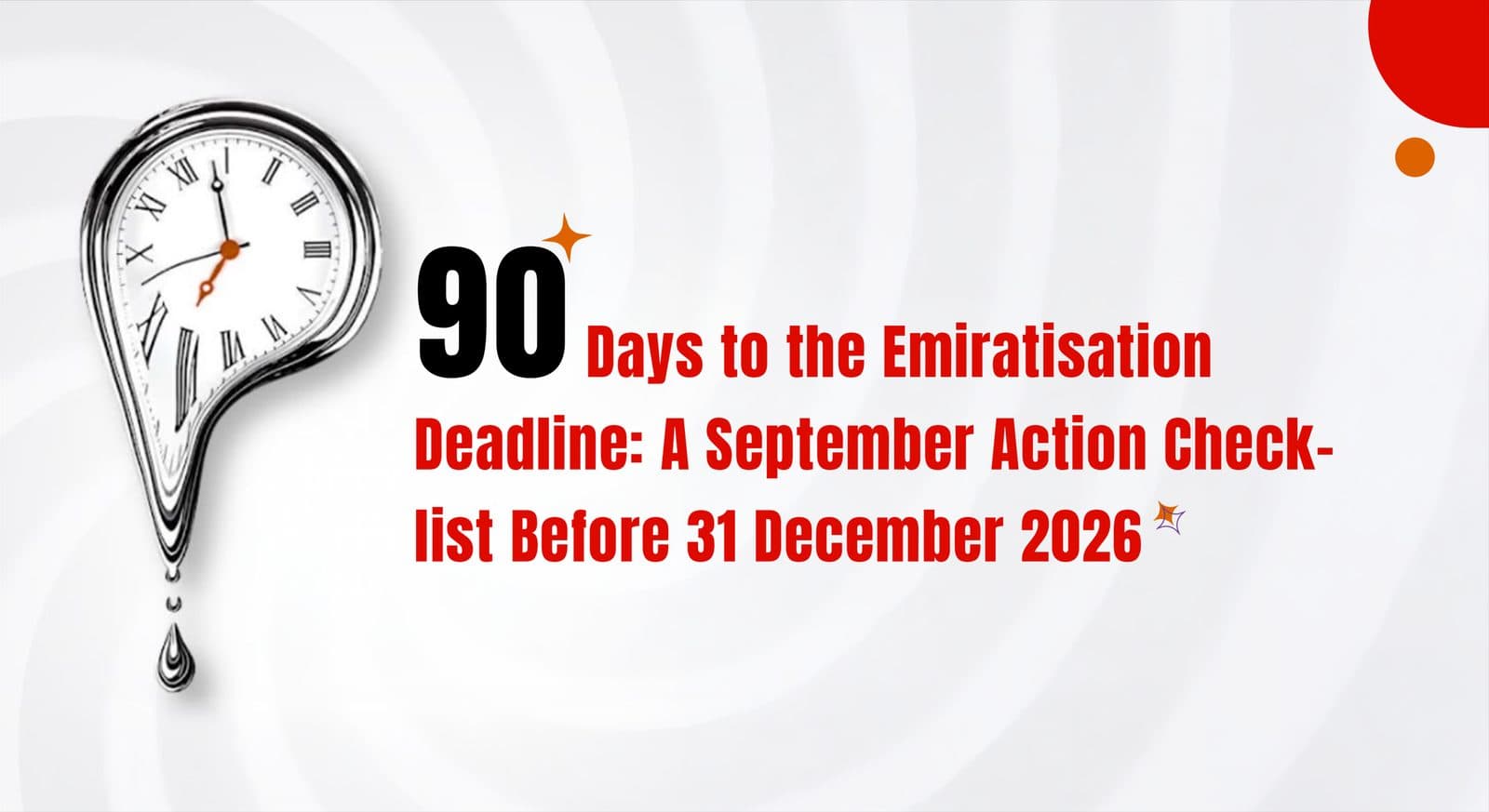
90 Days to the Emiratisation Deadline: A September Action Checklist Before 31 December 2026
The 10% Emiratisation target for 50+ employee companies falls on 31 December 2026 — the final checkpoint of the cycle. A month-by-month countdown for September to December, why the June checkpoint doesn't cover you, and how the AED 9,000 penalty compounds.